
Engineered Wood Flooring in Savannah, GA | Humidity-Stable Engineered Wood Experts
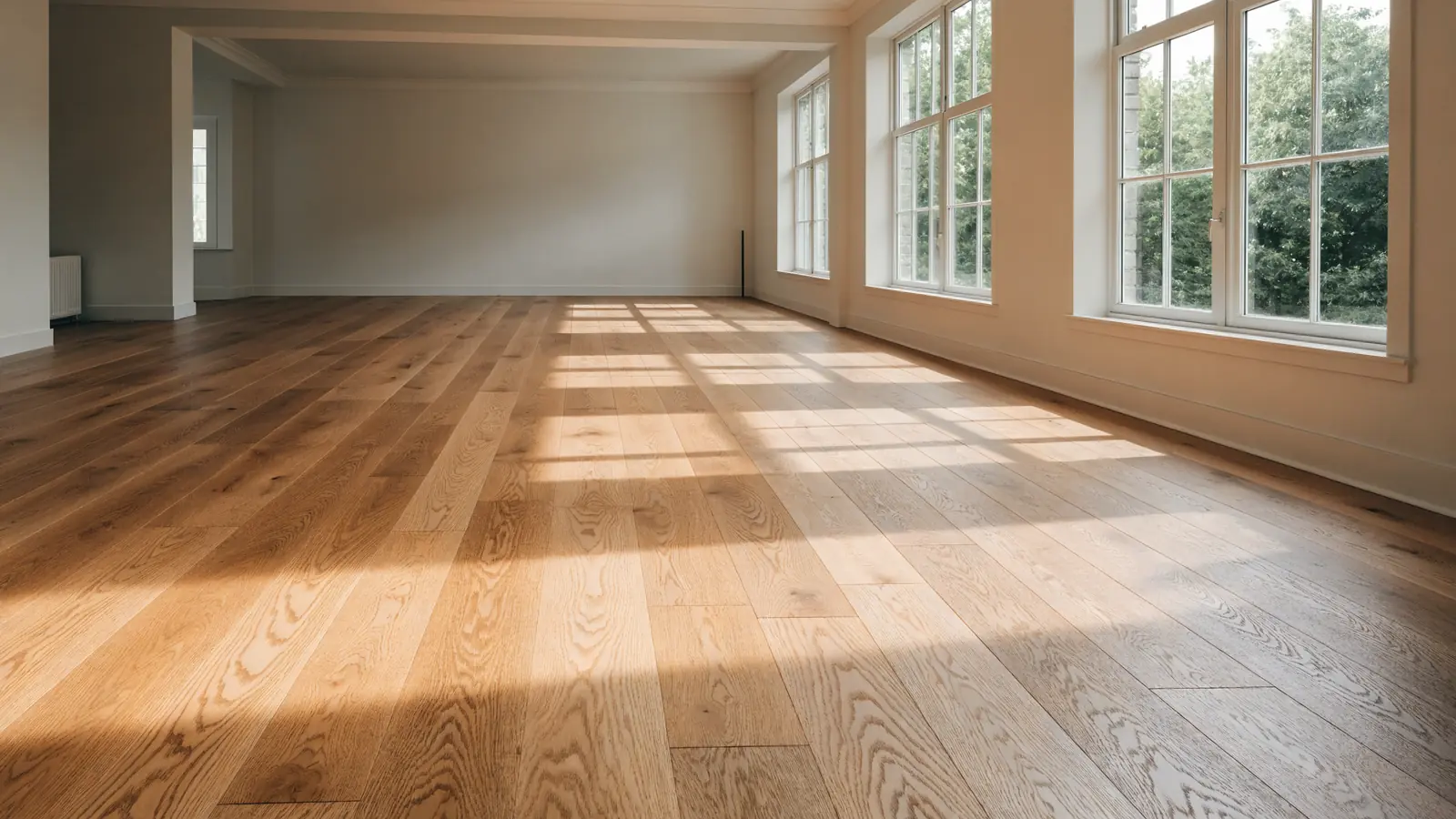
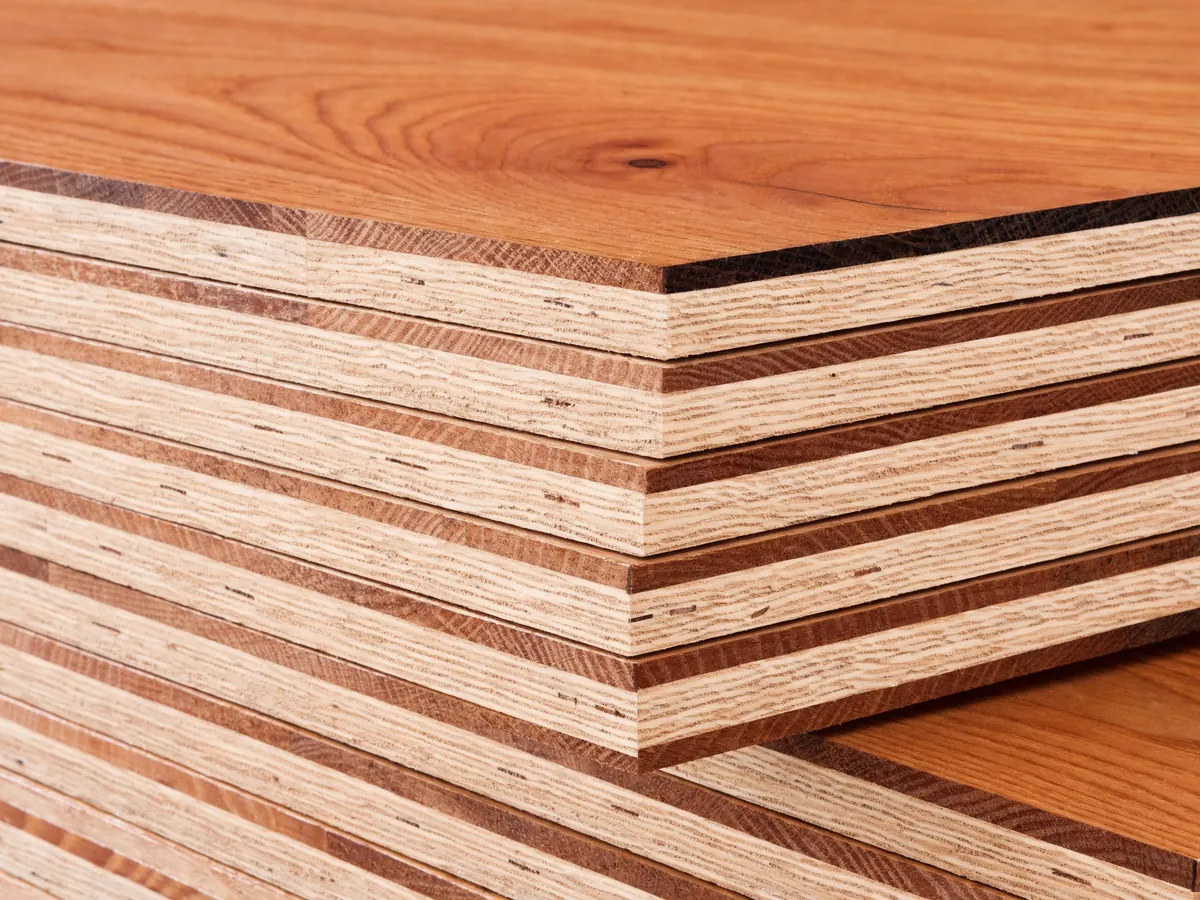
Engineered wood is a genuine hardwood floor manufactured in layers. A real sawn hardwood wear layer sits over a cross-laminated plywood or high-density core. The core resists the seasonal movement that makes solid timber problematic in a humid coastal market.
The wear layer is genuine hardwood, so an engineered floor appears identical to solid hardwood once installed. Species, grade, width, and finish all match what is available in solid. Nobody standing in the room can visually distinguish between them.
The difference is structural rather than visible, because cross-laminated layers run at opposing grain directions, which cancels out the expansion and contraction that humidity drives. Solid timber has nothing at all canceling that seasonal movement out. That is why engineered wood holds its dimensions where solid hardwood cups and gaps.
Wear layer thickness is the specification that matters most, and it varies enormously. A 2mm layer is a single-life floor, while 4mm and 6mm carry substantially more wear. We rarely specify below 3mm for a floor meant to last.
Engineered wood installs over concrete slab, which solid hardwood genuinely cannot. It floats, glues down, or staples depending on the substrate underneath. Solid hardwood offers only one of those three options. That flexibility is why it suits slab construction west of town and the island properties equally well.
We install throughout Savannah and Chatham County, and engineered wood is what we specify most often for wood on the islands. Every project gets the same crew from initial measure to final walkthrough. We are licensed & insured throughout Georgia.
Licensed & Insured · 50+ years experience
Request A Free Quote!
Tell us what you need. We reply the same working day.
Real wood that handles coastal humidity. Free measure across Savannah.
912-330-6990Why We are the Best flooring contractor in Savannah, GA
Selecting a flooring contractor ultimately comes down to who actually shows up. It also comes down to who stands behind the installation afterward. We have installed flooring throughout Chatham County for over 50 years. The same crew handles your project from initial measure through final walkthrough. Subcontracted installation is where most flooring complaints originate, so we simply do not operate that way.
- Over 50 years installing flooring and cabinetry across residential and commercial properties throughout the region
- Full-service solutions including luxury vinyl plank, solid hardwood, engineered wood, porcelain tile, laminate, and broadloom carpet
- Skilled craftsmanship using precise installation methods including floating click-lock assemblies, full-spread glue-down, and traditional blind-nailed hardwood
- High-quality materials and factory-cured finishes selected to improve durability, appearance retention, and long-term dimensional performance
- Custom design options covering plank direction, seam placement, transition detailing, and stair treatments to match any interior
- Low-VOC adhesives and underlayment systems available on request for occupied residences, medical clinics, and sensitive environments
Get a written price for your engineered wood project
Send us the rooms and the approximate square footage and we will schedule a free in-home measure. You receive one written number covering material, labor, subfloor preparation, and disposal of the existing floor. That figure does not move afterward unless demolition exposes structural damage nobody could reasonably have anticipated.
- Free in-home measure with no obligation
- Licensed & Insured throughout Georgia
- 50+ years installing across Chatham County
Request A Free Quote!
Tell us what you need. We reply the same working day.
Engineered Wood Construction and Wear Layers
Engineered wood is sold across an enormous quality range, and the differences are almost entirely hidden once installed. Two floors that look identical can differ by twenty years of service life. Construction and wear layer thickness are what separate a thirty year floor from a ten year one.
How Engineered Wood Is Built
A sawn hardwood wear layer is bonded over a core of cross-laminated plywood or high-density fiberboard. Each core layer runs at right angles to the one below, which is precisely what neutralizes seasonal movement.
Plywood cores handle moisture better and hold fasteners properly, so we specify them for stapled installations. Plywood also tolerates the occasional wetting that a fiberboard core will not. High-density cores are denser and flatter, which suits floating installations over concrete slabs particularly well.
Wear Layer Thickness
Wear layer thickness decides how much service the floor has in it, and it ranges from 0.6mm to 6mm. That is a tenfold spread hidden entirely beneath an identical surface. Anything at 2mm or below is a single-life floor that gets replaced rather than reworked.
A 4mm layer is roughly twice the material of 2mm, and 6mm roughly three times. We rarely specify below 3mm on a floor intended to last. The price difference is far smaller than the difference in service life, so that trade is rarely worth taking.
Species, Widths, and Finishes
Every species available in solid hardwood is available engineered, including white oak, hickory, walnut, and maple. You are not trading appearance away in exchange for dimensional stability here. Because the core carries the movement, engineered handles wide formats that solid wood struggles with in this climate.
Plank widths of 7 to 9 inches are practical in engineered construction and genuinely risky in solid. Wide plank is where engineered earns its price most obviously. Most engineered arrives prefinished with a factory-cured aluminum oxide surface, which is harder than any site-applied finish.
Engineered Compared With Solid Hardwood
Solid hardwood is solid timber the whole way through and remains the better answer above grade in a climate-controlled property. It is the flooring that outlives its owner if maintained properly. Very little else in a house can honestly claim that.
Engineered wins wherever moisture is a live variable, so concrete slabs, ground floors, island properties, and rooms over crawl spaces all point toward it. In this market that covers a great many addresses. We tell you which of those applies during the measure itself.
Our Engineered Wood Installation Services
Engineered wood installs three different ways, and the substrate determines which. Choosing the wrong method is what produces hollow spots, movement, and callbacks. This gets settled at the measure rather than on the day, because the substrate decides it rather than the schedule.
Floating, Glue-Down, and Staple
Floating installations lock the planks together over an underlayment without fastening to the substrate. They are quickest, tolerating minor imperfection, and suit concrete slabs where a moisture barrier is doing the real work. Most residential work over a concrete slab goes down in exactly this way.
Glue-down bonds the plank directly to the slab and delivers the most substantial feel underfoot. Staple-down is reserved for wood subfloors above grade, and each method has one substrate it belongs on and several it does not. We pick the method from the substrate rather than from habit.
Slab Moisture Testing
Concrete releases vapor for years after curing, and that vapor destroys adhesive bonds and delaminates cores. We evaluate every slab before specifying anything, because a reading is the only honest basis for the decision. Guessing at slab moisture content is precisely how adhesive failures begin.
Where readings run high we install a moisture mitigation membrane, or specify waterproof vinyl plank instead. Slab-on-grade construction west and south of the city makes this a routine step rather than an exception. We price it in from the start rather than adding it later.
Acclimation and Coastal Humidity
Engineered wood still acclimates, though it needs considerably less time than solid hardwood does. The cross-laminated core is doing most of the stabilizing work already. We allow 48 to 72 hours on site with the climate control running, and longer on the islands.
We check crawl space conditions before installing over one, since a damp crawl space undermines any wood floor above it and frequently means the decking has to be replaced first. Fixing the crawl space is occasionally the better use of your money. Ventilation or a vapor barrier underneath is sometimes the real fix rather than the flooring specification.
Why Savannah Flooring Company Is the Best Engineered Wood Flooring Expert
Local Expertise in Savannah, GA
Engineered wood is the wood floor that actually works in this market, and that is a coastal judgment rather than a sales preference. We have installed across Chatham County for over 50 years and we know which addresses sit over slab, crawl space, or piers.
Professional Installers
The method has to match the substrate, and getting that wrong is not recoverable without lifting the floor. Our crews test the slab, pick the assembly, and install it themselves. We never subcontract, which is where most flooring complaints originate.
Commitment to Customer Satisfaction
You receive one written figure covering material, underlayment or adhesive, labor, substrate preparation, and disposal. The wear layer thickness is stated in writing, because that number decides the floor's life. Vague product descriptions are where the corners get cut. We walk the completed installation with you before leaving the property.
Frequently Asked Questions About Engineered Wood Flooring
Engineered wood generally runs 7 to 14 dollars per square foot installed, covering material, labor, substrate preparation, and disposal of your existing floor. Wear layer thickness drives most of that range, with 2mm products at the lower end and 4 to 6mm at the top. Species and plank width move it further. Slab moisture mitigation adds cost where testing calls for it. The measure is free.
Engineered wood is a real hardwood floor built in layers. A sawn hardwood wear layer sits bonded over a cross-laminated plywood or high-density core, with each layer running at right angles to the one below. That opposing grain is the entire engineering principle behind the product. That construction cancels the seasonal expansion that makes solid hardwood difficult in humid coastal conditions. The surface is genuine timber, so it looks identical to solid hardwood once installed.
Allow 48 to 72 hours of on-site acclimation first, and longer on the islands. Installation runs about one day per 400 to 600 square feet for floating assemblies, so 1,000 square feet takes roughly two days. Glue-down takes longer because adhesive needs open and cure time. Most engineered arrives prefinished, so there is no sanding or finishing stage and the floor is usable immediately.
Yes, and this is its main advantage over solid hardwood. We test the slab for moisture first, because concrete releases vapor for years after curing. Where readings are acceptable we glue down or float over a vapor barrier. Where they run high we install a moisture mitigation membrane before proceeding. Slab-on-grade construction is common west and south of the city, so we do this routinely.
That comes down to the wear layer thickness, which is why we state it in writing. A 2mm layer or below is a single-life floor that gets replaced once it wears through. A 4mm layer carries roughly twice that material and 6mm around three times. We rarely specify below 3mm for a floor meant to last, since the price gap is small against the extra service life.
Want wood over a slab or on the islands? Engineered is the answer.
912-330-6990