
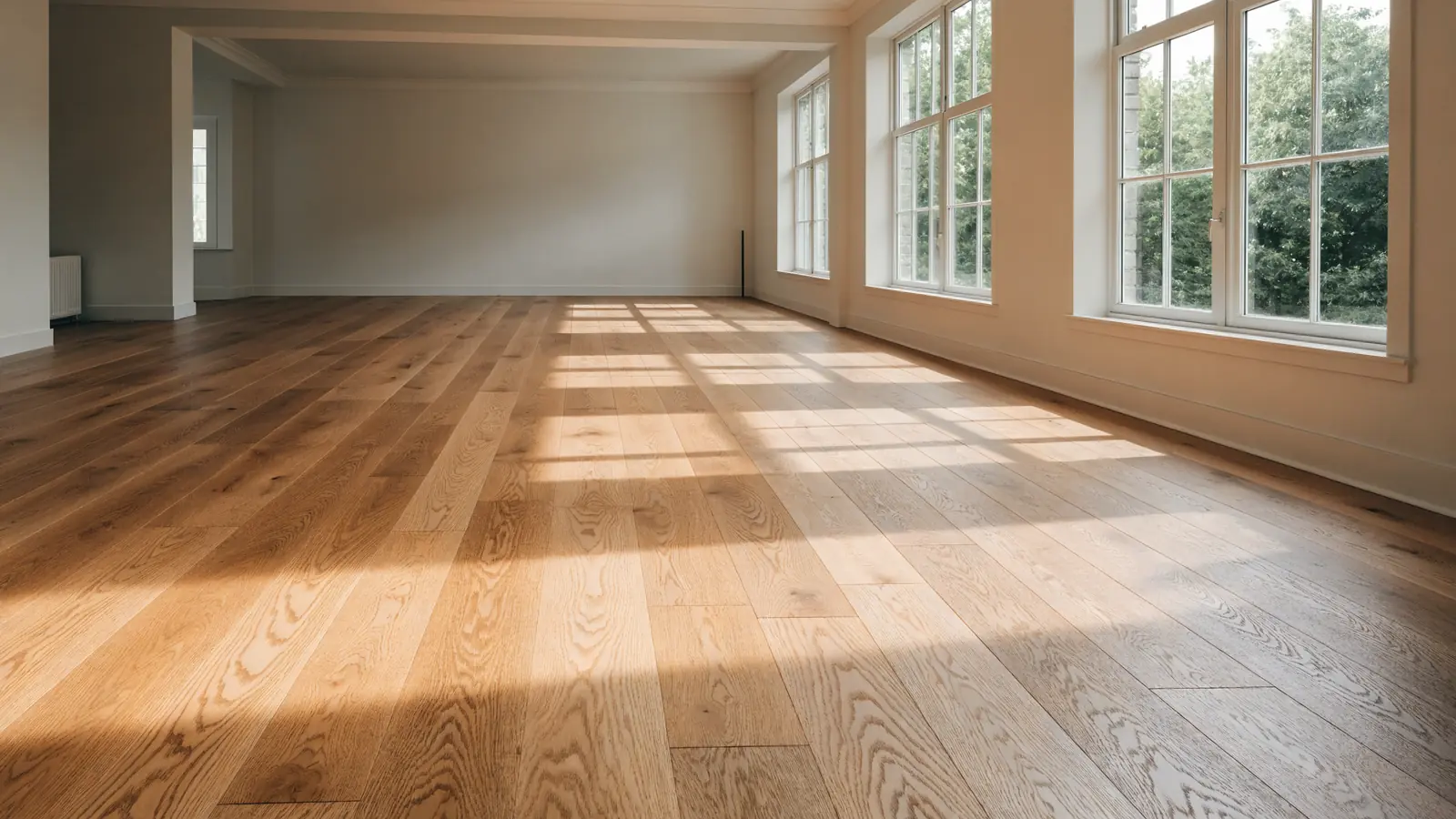
Skilled Hardwood Flooring in the Landmark Historic District, Savannah
The Landmark Historic District occupies the original city grid, laid out around the squares. It contains the oldest surviving housing stock in Savannah, much of it 19th century construction. We work throughout the district, and the conditions here are unlike anywhere else we operate.
Original pine and heart pine are the normal specification downtown rather than the exception. Those boards were milled from old growth timber that is simply unavailable commercially today. Matching them on a replacement means reclaimed stock and deliberate sourcing rather than a catalog order.
Nineteenth century construction behaves differently from anything built afterward. Joist spacing is irregular, subfloor boards run diagonally rather than square, and nothing is dimensionally consistent. We survey the structure properly before quoting rather than pricing from room measurements and an optimistic assumption about what lies beneath.
Material access downtown is genuinely difficult and it affects both the schedule and the price. Narrow lanes, restricted parking, and upper floor apartments mean material frequently arrives by hand. We plan delivery as carefully as we plan the installation itself.
Every project receives the same crew from initial assessment through the final coat. We work cleanly and quietly, because these are dense residential streets where immediate neighbors share both walls and sidewalks with the property. We are licensed & insured throughout Georgia.
Licensed & Insured · 50+ years experience
Request A Free Quote!
Tell us what you need. We reply the same working day.
19th century framing and difficult access. We plan both in advance.
912-330-6990Our Flooring Installation Services in the Landmark Historic District, Savannah
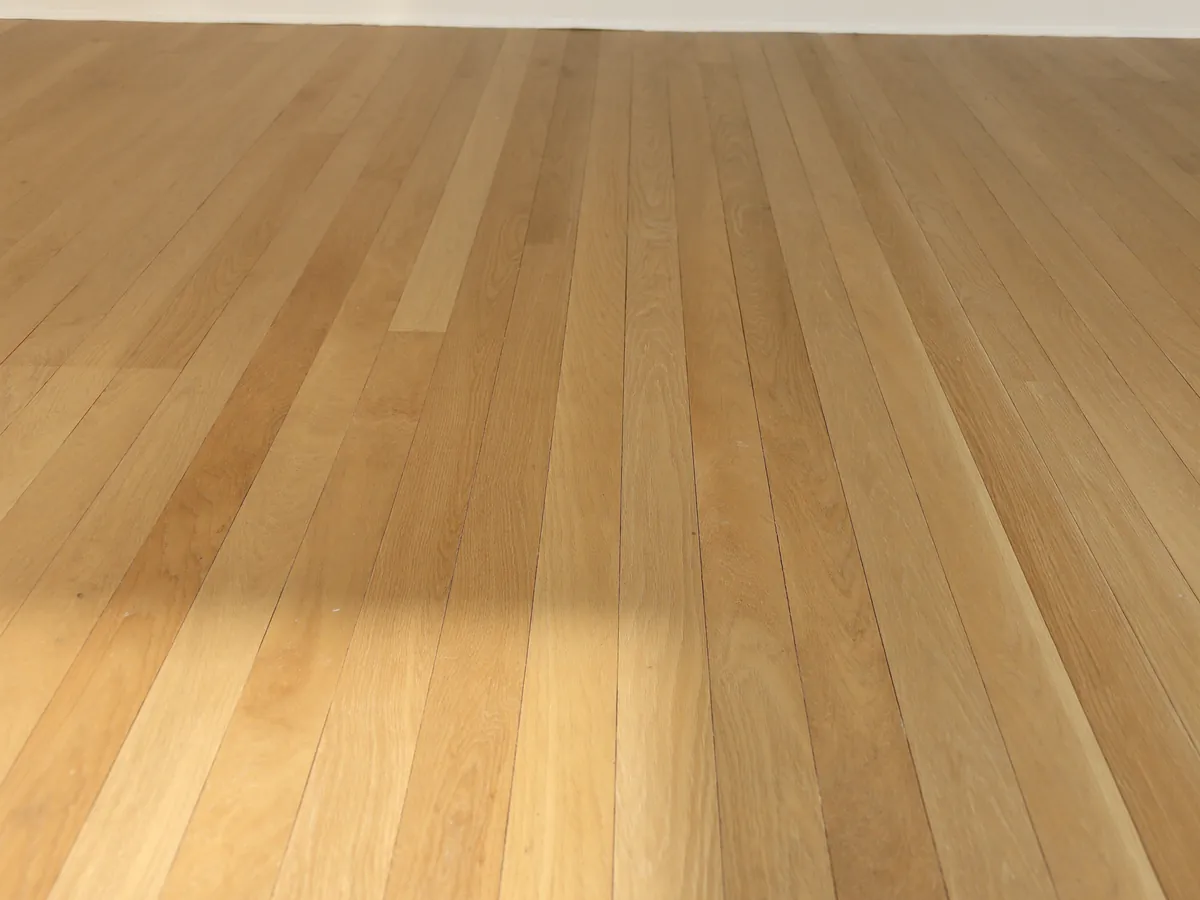
Downtown work is dominated by what the buildings themselves impose rather than by product choice. Irregular framing, tight access, and material that has to match a century-old floor shape every project. The four services below cover nearly everything we undertake inside the district.
Hardwood Floor Installation
Solid hardwood is what we install most often inside the Landmark District. These are above-grade properties and solid timber suits them, provided the framing underneath is sound. We source wide plank material where the original board width demands it.
Carpet Installation
Carpet suits the upper-floor bedrooms in these tall downtown properties, where sound between stories matters. Nineteenth century framing carries noise readily, and pad plus carpet is the cheapest answer to it. We fit stretch-in over quality pad rather than glue-down.
Stair Installation
Downtown properties are frequently three stories with the principal rooms above ground level. Those staircases are steep, narrow, and rarely uniform between treads. Each tread is measured and fitted individually, and the work prices per step rather than by area.
Tile Flooring Installation
Bathrooms and kitchens downtown have generally been reconfigured several times across a century. Porcelain tile handles that moisture exposure where no timber product reasonably could. Substrate deflection is the governing constraint, so we evaluate framing before quoting any rigid finish.
Book a free measure in the Landmark Historic District
The Landmark Historic District sits inside the original city grid, walking distance from the squares. Send us the rooms and the approximate square footage and we will schedule a visit. You get one written price covering material, labor, preparation, and disposal.
- Free in-home measure with no obligation
- Licensed & Insured throughout Georgia
- Travel built into the quote, never a separate mileage line
Request A Free Quote!
Tell us what you need. We reply the same working day.
Why the Landmark Historic District Property Owners Choose Savannah Flooring Company
The Landmark District imposes constraints that most contractors encounter nowhere else in the region. Here is how we accommodate them rather than treating them as obstacles.
We Plan Delivery Before the First Day
Material access downtown determines whether a project runs smoothly or stalls entirely. We establish parking, loading arrangements, and stair access during the survey rather than on arrival. Material frequently travels the final distance by hand, and we price that honestly.
Genuine Heart Pine Experience
Heart pine is softer than oak at approximately 1,225 Janka and it sands considerably faster. A crew unfamiliar with it will remove more material than necessary and damage an irreplaceable floor. We have restored these floors throughout the district for over 50 years.
Considerate Work in Dense Streets
Downtown properties share walls and sidewalks with immediate neighbors on every side. We contain dust, restrict noisy operations to reasonable hours, and clear the site daily, and nothing whatsoever is stacked on the sidewalk overnight awaiting collection.
Flooring Installation Considerations in the Landmark Historic District
Three conditions distinguish flooring work inside the Landmark District from anywhere else in Chatham County. Each of them affects the specification, the schedule, and the final price, so each is genuinely worth understanding before you commission anything at all.
Historic Review Board Constraints
The district operates under review requirements governing alterations visible from the public right of way. Those requirements concentrate on exteriors, facades, windows, and anything affecting the streetscape character, which means interior flooring generally falls outside that scope entirely.
We confirm rather than assume, because requirements vary and properties occasionally carry additional protections. Where a project touches anything visible externally, we will tell you to check before proceeding. Establishing that early is considerably cheaper than discovering it midway through.
Nineteenth Century Construction Methods
Properties here predate dimensional standardization, so joist spacing and board widths vary within a single room. Subfloor boards frequently run diagonally rather than perpendicular to the joists beneath. Original flooring was commonly face-nailed rather than blind-nailed through the tongue, which changes entirely how an existing floor lifts.
That construction affects everything downstream, including fastening schedules and how a floor is lifted. We survey the structure before quoting rather than pricing from a room measurement and an assumption. Discovering irregular framing partway through demolition is precisely how downtown projects overrun their schedule and their budget together.
Material Delivery and Site Access
The 400 block of Gaston Street and the streets around the squares were laid out for carriages. Narrow lanes, restricted loading, and limited parking make material delivery genuinely difficult. Upper floor apartments compound it, since everything travels up a staircase by hand.
We establish access arrangements during the survey and build the labor into the written figure. A contractor who prices downtown work as though it were suburban will either lose money or add charges later. We would rather quote it accurately from the beginning.
Areas We Serve Near the Landmark Historic District
The Landmark Historic District sits at the center of everything we cover, so we reach it from any direction. We work the surrounding historic neighborhoods on identical terms and with the same crews. Downtown access difficulty is priced into the figure rather than added on afterward.
Flooring FAQs for the Landmark Historic District Residents
Generally not for interior flooring. The district's review requirements concentrate on alterations visible from the public right of way, meaning facades, windows, roofing, and streetscape character. Interior work normally falls outside that scope. We confirm rather than assume, because requirements vary and individual properties occasionally carry additional protections. If a project touches anything visible externally, we will tell you to check before we proceed.
Usually, and it is almost always the better option. Original heart pine was milled from old growth timber that is simply unavailable commercially today, so replacing it means losing something irreplaceable. Whether restoration is possible depends on the wear layer remaining above the tongue, which we measure by lifting a discreet section. A floor with 3/16 inch remaining has two or three sandings left.
Carefully, and we plan it during the survey rather than discovering it on the first morning. Narrow lanes, restricted loading, and limited parking make delivery genuinely difficult, and upper floor apartments mean material often travels up a staircase by hand. We establish parking and access arrangements in advance and build that labor into the written figure rather than adding charges later.
Not a problem, but it does need surveying properly first. These properties predate dimensional standardization, so joist spacing and board widths vary within a single room, and subfloor boards frequently run diagonally. Original flooring was face-nailed rather than blind-nailed. All of that affects fastening schedules and how the existing floor lifts. We survey the structure before quoting rather than pricing from an assumption.
Replacing a floor downtown? Book a free assessment and access survey.
912-330-6990